
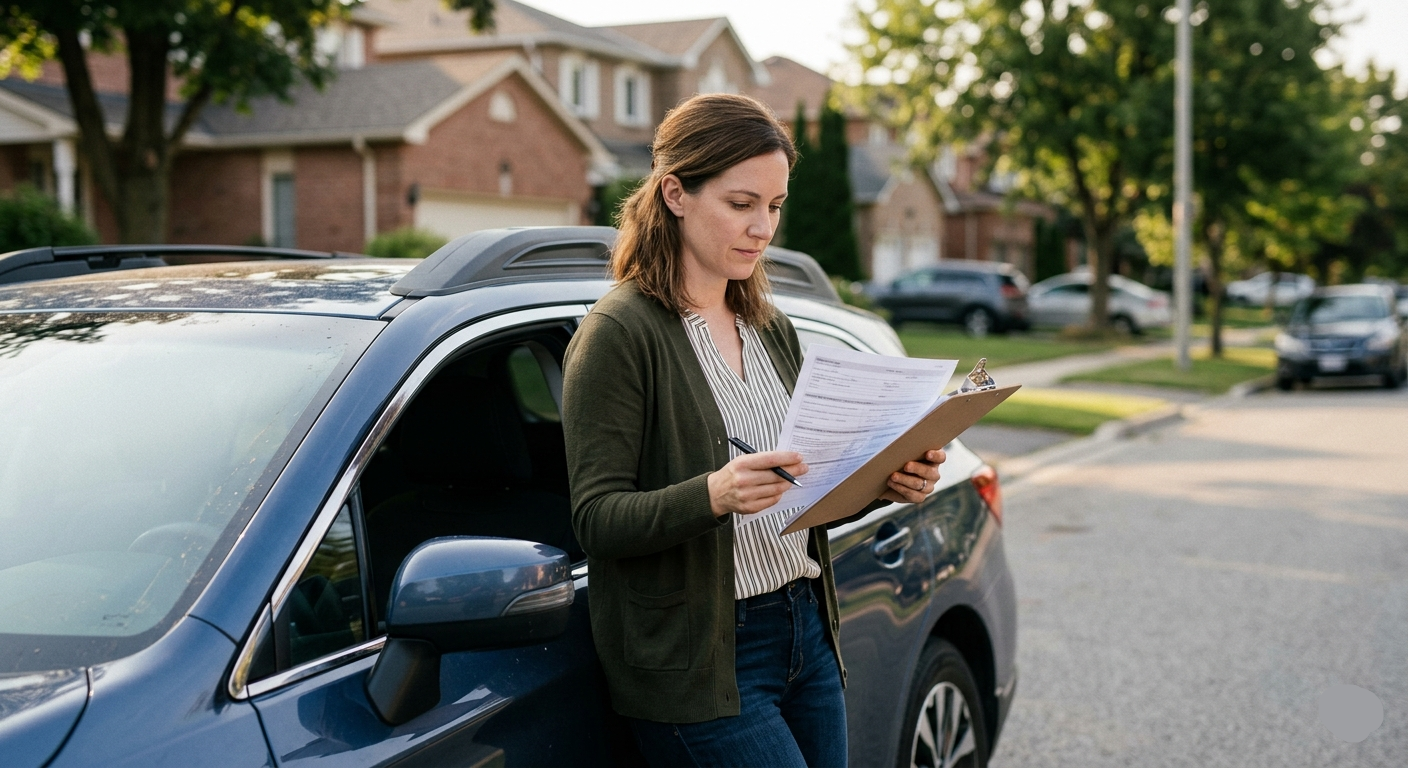
Car insurance is one of the most important ongoing costs of owning a vehicle in the United States. But many drivers pay more than they need to because they choose the wrong coverage, keep outdated policies, or never compare rates.
If you are trying to lower your premium without giving up the protection you actually need, the good news is that there are practical ways to do it. The key is understanding how car insurance works, what affects your rate, and where you can adjust your policy wisely.
What Is Car Insurance?
Car insurance is a policy that helps protect you financially if your vehicle is involved in an accident, damaged, stolen, or causes injury or property damage to others. In exchange for a premium, the insurer agrees to cover certain types of losses based on your policy terms.
Different policies include different types of protection. Some are built to satisfy minimum state requirements, while others provide broader coverage for your own vehicle, medical costs, and legal liability.
Why Car Insurance Matters
For most drivers, car insurance is not just about legal compliance. It is about protecting yourself from costs that can become overwhelming after even a single accident.
- It helps cover liability costs if you injure someone or damage their property.
- It can help pay for repairs to your own car, depending on your coverage.
- It may help with medical expenses after certain accidents.
- It protects your finances from major out-of-pocket losses.
- It keeps you compliant with state insurance requirements in most parts of the U.S.
Main Types of Car Insurance Coverage
Understanding the basic parts of a policy makes it easier to choose the right protection.
Liability Coverage
This helps pay for injuries or property damage you cause to others. In most states, this is the minimum coverage required by law.
Collision Coverage
This helps pay to repair or replace your car if it is damaged in a crash, regardless of fault, subject to your deductible and policy terms.
Comprehensive Coverage
This helps cover non-collision damage such as theft, vandalism, fire, or certain weather-related damage.
Uninsured or Underinsured Motorist Coverage
This may help protect you if another driver causes an accident and does not have enough insurance.
Medical Payments or Personal Injury Protection
Depending on the state and policy, this can help cover medical costs for you or your passengers after an accident.
What Affects Your Car Insurance Premium?
Insurance companies use many factors to calculate your rate. Some are based on you, while others are based on the vehicle and location.
- Driving history: Tickets, accidents, and prior claims can raise your premium.
- Age and experience: Younger and less experienced drivers often pay more.
- Vehicle type: Expensive, powerful, or theft-prone cars may cost more to insure.
- Location: Dense traffic areas and high-claim regions often have higher rates.
- Annual mileage: More driving can increase risk.
- Coverage limits and deductible: Higher protection usually costs more, while a higher deductible may reduce the premium.
- Insurance history: Lapses in coverage can hurt your rate.
How to Lower Your Car Insurance
If your current premium feels too high, there are several ways to reduce it without automatically stripping away valuable coverage.
- Compare quotes regularly. Rates can vary a lot between insurers, even for similar coverage.
- Review your deductible. A higher deductible may lower your monthly premium, but only if you can afford that amount after a claim.
- Remove unnecessary extras. Check whether your policy includes add-ons you do not really need.
- Bundle policies if it makes sense. Some insurers offer discounts when you combine auto and home or renters coverage.
- Ask about discounts. Safe driving, multiple vehicles, low mileage, or paperless billing may help lower costs.
- Match coverage to vehicle value. Older cars may not always justify expensive full coverage.
- Keep continuous coverage. Gaps can make you look riskier to insurers.
When Full Coverage May Make Sense
Many drivers use the term “full coverage” to describe a policy that includes liability, collision, and comprehensive protection. This may make sense if:
- Your car is newer or still worth a meaningful amount
- You rely on the vehicle daily and cannot easily replace it
- You have a loan or lease that requires broader protection
- You want stronger protection against theft, storms, or collision damage
When Minimum Coverage May Not Be Enough
Minimum state coverage may satisfy legal requirements, but it may still leave you financially exposed after a serious accident. If repair costs, medical expenses, or liability claims exceed your limits, you may have to cover the difference yourself.
This is why the cheapest legal policy is not always the safest financial choice.
Car Insurance vs Auto Warranty
These two products are often confused, but they cover very different risks.
| Feature | Car Insurance | Auto Warranty |
|---|---|---|
| Main purpose | Protects against accident-related, liability, theft, and certain damage losses | Helps with covered mechanical or electrical repair costs |
| Legally required | Usually yes, depending on state law | No |
| Best for | Financial protection after accidents and insured events | Managing repair bills after breakdowns |
Questions to Ask Before Buying a Policy
- What are my actual coverage limits?
- What deductible would I be comfortable paying after a claim?
- Does this policy include rental reimbursement or roadside assistance?
- Am I paying for coverage that no longer fits my car’s value?
- How easy is the insurer’s claims process?
- Am I comparing the same coverage terms across different quotes?
Common Mistakes Drivers Make
- Choosing a policy based only on price
- Not reviewing limits and deductibles carefully
- Keeping outdated coverage for years without checking alternatives
- Assuming minimum coverage is always enough
- Ignoring discounts they may qualify for
Related Reads
- Auto Warranty Guide 2026: What It Covers, What It Costs, and When It’s Worth It
- Why Health Insurance Is Essential for Your Future Well-being
Final Thoughts
The best car insurance policy is not simply the cheapest quote you can find. It is the one that gives you the right balance of affordability, protection, and peace of mind for your situation.
If you have not reviewed your policy in a while, this is a good time to do it. Even a few small adjustments can sometimes reduce your costs while keeping you better protected on the road.